


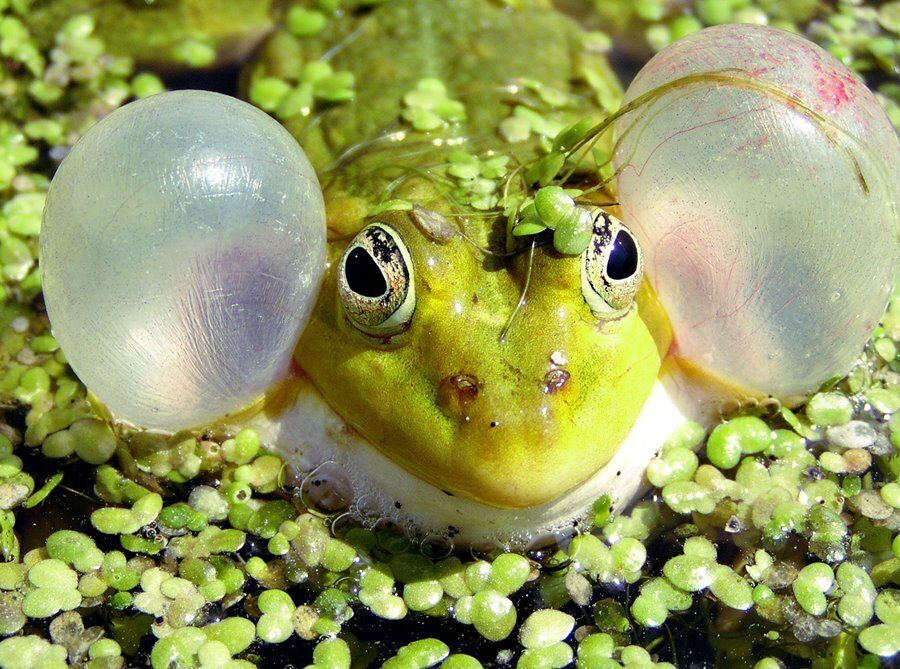
Лягушки — мастера техники «сидеть и ждать»
Они остаются совершенно неподвижными, сливаясь с окружающей средой, а затем наносят точный удар по приближающемуся насекомому.
00:14
Техасские жабки не любят, когда за ними наблюдают
Техасские жабы — это земноводные, обитающие на юго-западе США и в северной Мексике. Они могут вырастать до 11 см в длину, при этом самки обычно немного крупнее самцов. Их кожа имеет бородавчатую текстуру,...
00:14
Даже если кажется, что жизнь против - не сдавайся!😮
https://dzen.ru/shorts/69329a7d9bc90747a0909ed5
00:28
Интересный факт о зебрах: Зебры не подлежат приручению.
Многие африканские племена пытались приручить их, но успеха в этом так и не добились.
00:14
Игристый или газированный кофе.
Игристый или газированный кофе. В последнее время стал очень популярным среди ...
Жабы за территорию или самку, готовы бороться до победы
Жабы, оказывается, настоящие борцы! В поединках за территорию или самку они могут хватать противника ртом и швырять его, словно мастера боевых искусств. Настоящие чемпионы лягушачьего ринга!
00:11
Улыбка амфибий: без клыков, но с характером!
У млекопитающих и большинства рыб зубы есть, птицы потеряли их около 100 млн лет назад с появлением клюва. А что насчет лягушек? У большинства лягушек зубов нет на нижней челюсти. Но у многих видов,...
Девушка нашла живую лягушку в упаковке свежей зелени
Девушка нашла живую лягушку в упаковке свежей зелени — земноводное сидело в запечатанной рукколе прямо на прилавке магазина.
00:18
Девушка нашла лягушку.
Девушка нашла лягушку в упаковке свежей зелени и она сидела спокойно в запечатанной рукколе прямо на прилавке магазина.
00:18
а на русском есть?))))